
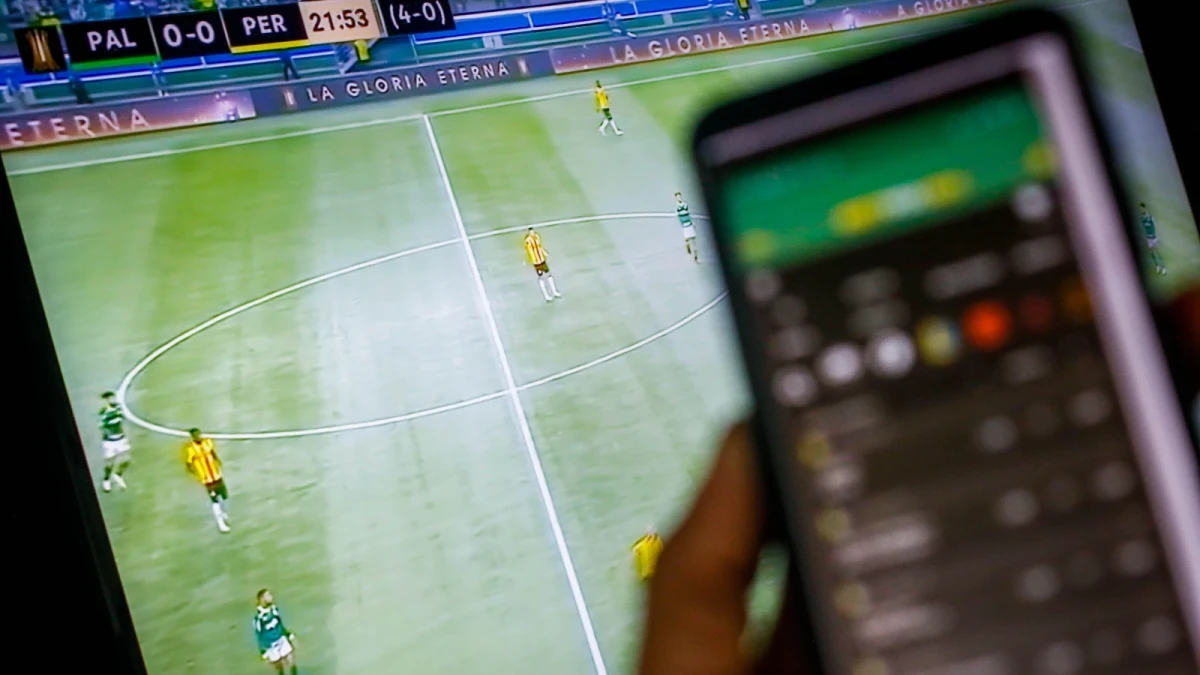
Remember when betting on a game meant picking a winner before kickoff? That feels almost quaint now. The action has shifted, dramatically, into the heart of the event itself. We’re talking about the explosive rise of in-play wagering and its hyper-focused cousin, micro-betting. This isn’t just a new way to wager; it’s a whole new way to watch.
Honestly, it’s changed everything. The passive viewer is gone, replaced by an engaged participant predicting every pitch, possession, and penalty. Let’s dive into how this landscape evolved and, more importantly, what strategies can help you navigate its fast-moving currents.
From Full-Time to Real-Time: What Exactly Are We Talking About?
First, a quick distinction. In-play betting (or live betting) is the broad umbrella. It’s placing a wager after an event has started. Odds shift like the wind, reacting to a red card, a star player’s injury, or a sudden scoring run.
Micro-betting takes this granularity to the extreme. We’re talking about wagers on the next single play or moment. Will this tennis serve be an ace? Will the next pitch be a ball or strike? Will this drive in football result in a first down? It’s betting in bite-sized, rapid-fire chunks.
The Engine Behind the Boom
This didn’t happen by accident. A few key technologies and trends collided to make it possible—and incredibly addictive.
- Data & Latency: Ultra-low latency data feeds are the lifeblood. If your stream is ahead of your betting app, the opportunity is gone. Operators now invest millions to shave milliseconds off their data speeds.
- Smartphone Ubiquity: The stadium seat, the couch, the bar—your sportsbook is now in your pocket, always on.
- Consumer Expectation: We live in an on-demand world. The desire for constant, interactive engagement simply migrated from second-screen social media chatter to second-screen financial action.
Crafting Your In-Play Wagering Strategy: It’s Not Just Guessing
Jumping into live markets without a plan is a recipe for quick losses. The volatility is thrilling but dangerous. Here’s the deal: you need a framework.
1. The Pre-Game Homework is Non-Negotiable
Seriously, your in-play success is decided before the opening whistle. You have to know the teams, the players, the tactical tendencies. Is a basketball team known for third-quarter slumps? Does a soccer team park the bus with an early lead? This contextual knowledge lets you spot mispriced live odds when the crowd overreacts to a single event.
2. Watch the Game, Not Just the Numbers
Odds are algorithmic, but sports are human. The numbers might not capture a player grimacing with a hidden injury, a shift in momentum fueled by a home crowd, or a coach’s furious sideline adjustment. Use the broadcast. Trust your eyes. Sometimes the live betting strategy that wins is the one that spots what the algorithm hasn’t yet quantified.
3. Embrace the “Cash Out” (But Wisely)
The cash-out feature is a powerful, double-edged sword. It can lock in a profit or cut a loss. The key is to decide your cash-out parameters before you place the bet. If you’re up 70% on a wager, will you take it? Don’t let greed or hope make that decision in the heat of the moment.
The Micro-Betting Mindset: A Game of Seconds
Micro-betting is a different beast. It’s less about overarching narrative and more about recognizing immediate patterns. Here, your focus narrows to a laser point.
| Sport | Common Micro-Bet Example | Strategic Consideration |
| Tennis | Next Point Winner | Is the server dominant? What’s the score pressure? (30-30 vs 40-0) |
| Baseball | Pitch Outcome (Ball/Strike) | Count (3-0 favors a ball), pitcher/batter history, umpire’s zone. |
| American Football | Next Play Outcome (Run/Pass, Yardage) | Down & distance, time on clock, offensive tendencies in formation. |
| Esports (CS:GO) | Next Round Winner | Economy (in-game cash), weapon loadouts, player positioning. |
The pain point? It’s incredibly easy to get swept up in the rhythm and chase losses. You have to set a strict session limit—a number of bets or a bankroll amount—and stick to it like glue. The pace is designed to keep you in the flow, and that’s where discipline evaporates.
The Human Element and The Future
Sure, the tech is cool. But what’s fascinating is how it changes our relationship with the sport itself. Some argue it deepens engagement; you notice subtle tactical shifts you’d otherwise miss. Others worry it commodifies every moment into a transactional blip. Honestly? It’s probably a bit of both.
Looking ahead, the integration will only get deeper. Imagine micro-betting strategies powered by real-time biometric data (is a kicker’s heart rate elevated?) or AR overlays in stadiums placing bets with a glance. The line between spectator and participant will blur even further.
That said… the core truth remains. The house still has an edge, especially in these fast-moving, high-volume markets. The most successful bettors aren’t those who predict every micro-event—they’re the ones who manage their bankroll, do the work, and understand that this is a marathon of momentary sprints. They feel the rhythm of the live event, but they don’t let their pulse dictate their bets.
In the end, the rise of in-play and micro-betting is a testament to our desire for connection and agency. We don’t just want to watch the story unfold anymore. We want to write, or at least bet on, the next sentence. The question isn’t really whether you’ll participate, but how you’ll choose to frame your own engagement within the relentless, thrilling flow of the game.